– By Vasudha Arabandi, National Initiatives and Communications Associate & Aftab Shaikh, Communication Manager
In early childhood education, where every learning experience influences a child’s future, philanthropy becomes more than an act of goodwill. Mindful generosity becomes the catalyst that helps scale impact, strengthen government systems, and alleviates children and families who often remain underserved. When individuals, communities and institutions choose to give, they help create the foundation for stronger learning environments, more informed parents, and empowered frontline workers.
In this edition of Drivers of ECCE, we sat down with Ms Himani Baid, Fundraising and Partnerships Lead at Rocket Learning. In our conversation, Himani shared her perspectives on how fundraising is shaping Early Childhood Education (ECE), and how trust, transparency and everyday generosity are helping create lasting change for children across India.
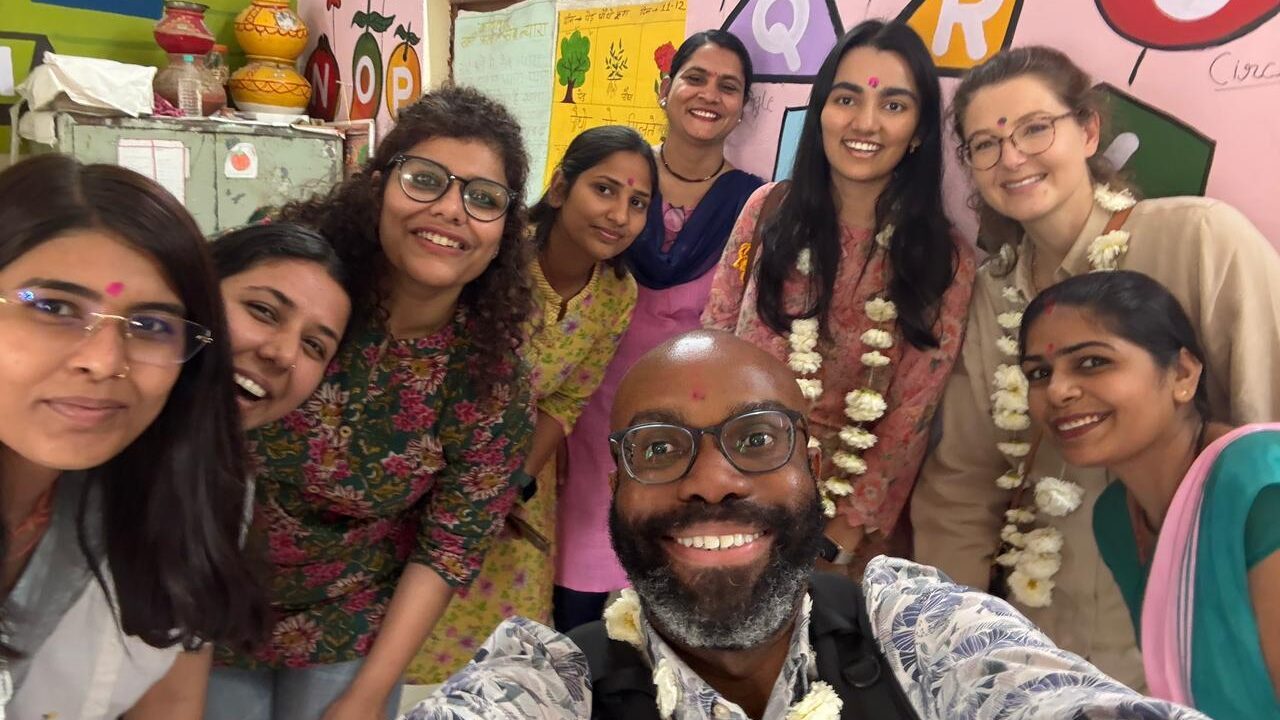
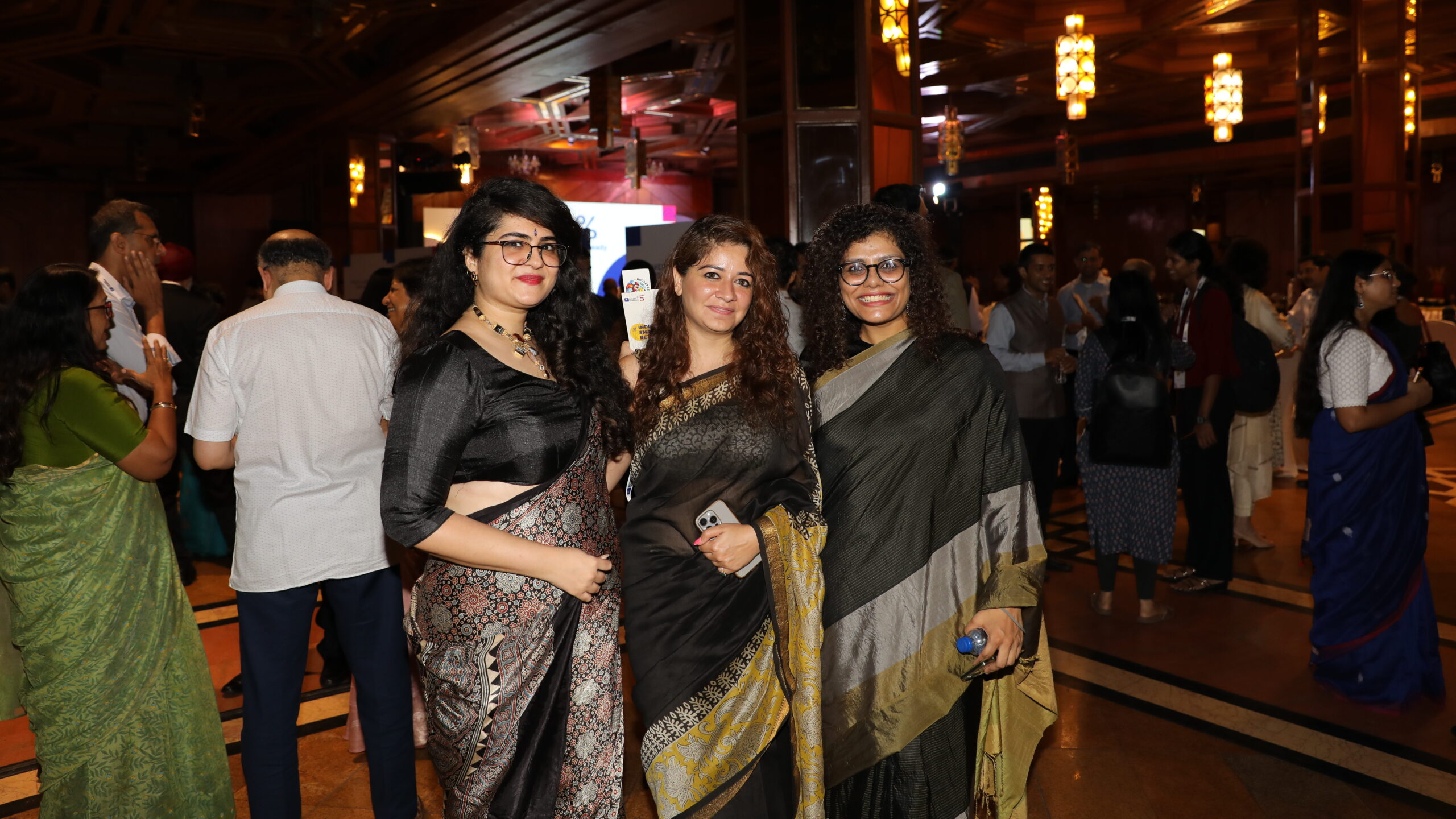
Q: What experience or value first inspired your interest towards philanthropy and building a culture of giving?
Himani: The spark definitely came early, even though I didn’t know it was “fundraising” at the time. In school, we used to get Save the Children cards to sell every year. I absolutely loved doing it. Even though my parents ended up buying most of them, I would still go door-to-door, persuading neighbours to support the cause. Looking back, I realise that was my first experience with retail fundraising and I genuinely enjoyed it.
My connection to education also stems from the fact that reading was such a big part of my childhood. I grew up in Udaipur, in a family that had access to a good school. Reading shaped my ideas of fairness, justice, and opportunity. It made me deeply aware of how unequal access can be.
Later in college and during my first job, I helped build the Robin Hood Army chapter in Udaipur and volunteered with children in Mumbai. Those experiences pulled me into the development sector. But what drew me specifically to fundraising was my first professional campaign in which I raised resources to digitise historical books at the Asiatic Library in Mumbai. It wasn’t a typical “feel-good” cause like education or hospitals, but I loved convincing people on why digitising these books mattered.From raising a few thousand rupees back then to raising significantly more today at Rocket, the journey has felt very organic. As a lawyer, building relationships and making a case for a cause resonates deeply with me. And I’ve always enjoyed building systems, turning fundraising from an ad hoc task into a structured function anchored in processes, data, and trust. Those early instincts now shape how I think about partnerships, long-term stewardship and building sustainable systems at scale.
Q: Was there a moment that really cemented your belief in this field?
Himani: It wasn’t one moment, but the many acts of generosity I witnessed during the COVID pandemic. I started full-time fundraising in 2019–20, and when the pandemic hit, it was frightening. No one knew whether funders would stay committed. What surprised me was that giving didn’t shrink; it expanded. Yes, a lot of resources rightly went to health, nutrition, and migration, but that didn’t come at the cost of other causes. People actually gave more because there was scarcity all around.
There was this instinctive sense of “if I have something to share, I should.” For me, that period reaffirmed that giving is not a zero-sum action. When need becomes visible, generosity grows. It also reinforced my belief that honest asks, transparent communication, and simply telling people the truth, what’s working and what isn’t. That collective generosity is what keeps this sector going. I’ve seen the same at Rocket Learning. When you share the truth—what’s working and what isn’t—partners stay with you. That collective generosity is what keeps this sector going.
Q: How do you balance strategic goals with ensuring every rupee creates real impact?
Himani: Communities must always come first. The children, the parents and the Anganwadi workers we serve are the centre of everything.
Not every outcome is easy to quantify, but accountability is crucial. Fundraising isn’t just about “money in”; it’s about what that money enables. That’s why we work with clear dashboards, cost-per-child metrics, regional mapping, and outcome tracking. At Rocket Learning, every rupee is linked to a region, a child, a parent, an Anganwadi worker, or a learning outcome.
Systems and metrics matter, but they must align with the bigger mission: improving learning experiences for children, not just checking boxes. We also make sure that funding is aligned with real organisational priorities, not trends or noise, that alignment is what creates integrity in the work.
Q: How do you build donor confidence that their support truly strengthens early childhood learning?
Himani: First, by being absolutely clear about what we do and where their support goes, whether it’s at the district level, capacity building, tech innovations or policy work.
Second, by showing impact. Evidence matters: assessments, studies, numbers, learning outcomes.
And third, by being consistent with communication such as quarterly updates, transparent reporting, and sharing both successes and challenges. When you make sure these simple checkpoints are touched on consistently for a year, the relationship with our donors becomes strategic rather than transactional.
Q: How can families, workplaces and communities cultivate consistent generosity?
Himani: Giving becomes meaningful when it is consistent. You don’t give because it’s Diwali or the “month of giving”; you give because it’s part of who you are.
Workplaces can create giving circles, matching grants, volunteer days, field visits, and learning sessions. Families can build small rituals such as choosing a cause together, by involving the children in the family, volunteering as a unit. I grew up in a home where conversations about giving were normal, and it shaped me deeply.
Communities are already generous. Festivals like Daan Utsav show how small actions—from clean-up drives to skill-sharing—create large-scale change. Personally, I set a reminder every two months: Have I given? Have I volunteered? Tiny habits keep you grounded.
Even small recurring digital contributions, through UPI or simple monthly auto-donations help build a habit of consistent giving.
Q: How do we ensure collective generosity includes everyone?
Himani: I actually think giving in India is driven largely by the middle class. Yes, institutional funding comes from High Net Worth Individuals (HNIs) and foundations, but everyday giving such as time, effort, ideas, etc comes from ordinary people.
And giving is not only financial. Movements often start with people, not money. The Robin Hood Army began with five people cooking food for their neighbours. Today it reaches millions. Generosity is about coming together around a cause and not the size of your wallet.
Q: What is your biggest hope for the month of giving?
Himani: I hope early childhood education becomes a national priority. It is still underfunded and misunderstood, overshadowed by primary schooling. But with NEP 2020, Poshan Bhi Padhai Bhi, and funders showing interest, we finally have momentum. I hope this continues. For individuals, I hope they start small like helping one child, one classroom, one Anganwadi. Small acts add up. For institutions, I hope they see ECE as foundational, not optional.
Q: What partnerships make Rocket Learning’s model of ECE possible?
Himani: Rocket Learning acts as a bridge, but our partners are much more than funders. Each one adds a layer of strength to the ecosystem we’re building.
Many of them don’t just support us financially; they advise us, question us, sharpen our strategy, and sometimes even learn from what we’re doing on the ground. For me, adding a partner is adding a perspective that makes our work stronger, whether that’s through sector experience, technical depth, or simply helping us think through tough choices.
ECE only thrives when everyone plays their part, and the best partnerships are the ones where energy, ideas, and legitimacy flow in both directions. That collective ownership is what makes long-term impact possible.
Q: What message would you give first-time donors who wonder if their support really makes a difference?
Himani: Give to something you care about and start small, you don’t need scale or perfection to begin.Your contribution matters more than you think—and it truly goes a long way.